No products in the cart.
Return To ShopHave any Questions?
Feel free to Get in touch

+91-94250-92415

₹999.00 Original price was: ₹999.00.₹599.00Current price is: ₹599.00.
₹999.00 Original price was: ₹999.00.₹599.00Current price is: ₹599.00.
₹999.00 Original price was: ₹999.00.₹599.00Current price is: ₹599.00.
In stock
Feel free to Get in touch
Alzheimer’s and dementia which are progressive may affect memory, health awareness, how a person communicates and also their ability to carry out daily activities by themselves. As the disease progresses we see families looking for ways to increase safety which at the same time preserves the dignity and independence of their loved ones. A bracelet for persons living with memory issues can be a very useful support in fact when there is a tendency to get lost or have trouble putting across personal info.
Alzheimer’s disease is a progressive neurological which mainly affects memory and cognitive function. As for the term which is more inclusive, dementia describes a range of symptoms related to memory, thinking, reasoning and daily performance which in turn may be caused by various conditions. It is true that Alzheimer’s is the leading cause of dementia but it is also important to note that not all cases of dementia are due to Alzheimer’s disease.
As our cognitive functions change we may become confused in the environments we are used to. I may forget where I live, have trouble recalling my primary care givers name, or get lost when out of the home. These issues play out for the individual as well as the family. That is why we see value in simple safety interventions.
A visible ID bracelet is also a way to present info which a person may not be able to at the time of a incident. As per its design and what it is for it may put out the wearers name, emergency contact numbers, medical info, or that they have a memory issue.
The point is not to take the place of professional medical care or supervision. Instead we can present it as a supplemental action which may also get others to see that the individual may benefit from help.
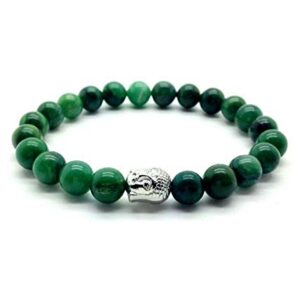
An Alzheimer’s Dementia Bracelet is a piece of a larger safety plan for people that experience memory loss. The bracelet is a tool which care givers use to put across important info when the wearers’ condition causes them to become confused or they get separated from family.
As dementia progresses communication issues may present. A person may sense that they are in trouble but have difficulty in putting it into words or giving out care givers’ contact info. A clearly marked bracelet may put forward basic info which the wearer does not have to remember.
For parents this is a relief during trips, travel, doctor’s visits, or other situations which may present new people.
Wandering is a large issue for some with dementia. While an identification bracelet doesn’t stop wandering it may enable others to identify that a person requires help.
If a person has the emergency contact info with them on the bracelet that also presents a simple way for the person who comes upon the individual to get in touch with their family or caregiver.
Dementia bracelets’ value is in how they wear and what they communicate. Also people may have these on for very long periods which is why the material has to be not only comfortable but every day appropriate.
A loose fitting bracelet will do better in terms of comfort. For families we recommend adjustable size options, skin friendly materials, secure closures, and a design which doesn’t get in the way of normal activity.
Information also has to be easy to find when needed. Also families should look at what info they put out there in public. Only put in what is required.
Privacy is a key issue in what we put on identification jewelry. Instead of putting out extensive personal or medical info on the bracelet we suggest that families include only what is necessary along with an emergency contact.
If we use digital identification features or QR codes it is up to care givers to know what info the code contains and who has access to it. We put forward that the best approach is a balance between useful identification and at the same time protection of the wearer’s privacy.
A piece of the whole picture of dementia care should be the use of identification jewelry which is to be combined with other safety measures like having current emergency contact information, establishing a routine daily schedule, securing access to harmful areas in the home, and talking to health care providers about risk of wandering.
Every individual that has Alzheimer’s disease or some other form of dementia presents with different care requirements. Some may do well with a bracelet which they wear all the time, while others may find it irritating or will put it away. Caregivers to introduce the item should be patient and to also choose a design which is at the person’s preference and ability.
It also we should talk about changes in safety issues with your health care provider. A doctor can give out information based on your cognitive state, behavior, mobility, which drugs you are on and also your over all care needs.
In families that are care for a person with memory impairment we see that which may be little safety measures which do better at making daily situations more manageable. Also a properly designed identification bracelet may put out a visible sign that the wearers’ may require extra attention also it may help in getting in touch with family members in an emergency.
Dr. Vedant Sharmaa puts forth the value of a compassionate, aware and practical approach to dementia care. Although an ID bracelet doesn’t treat Alzheimer’s disease or reverse dementia it can be a part of a larger care and safety plan.
In time we see that the goal of dementia focused identification jewelry is to support the person beyond what is put forth by their condition. With care in design, relevant info, and in the care giver’s involvement, such a bracelet may become a simple but very valuable element in the daily practice of safety, dignity, and confidence.
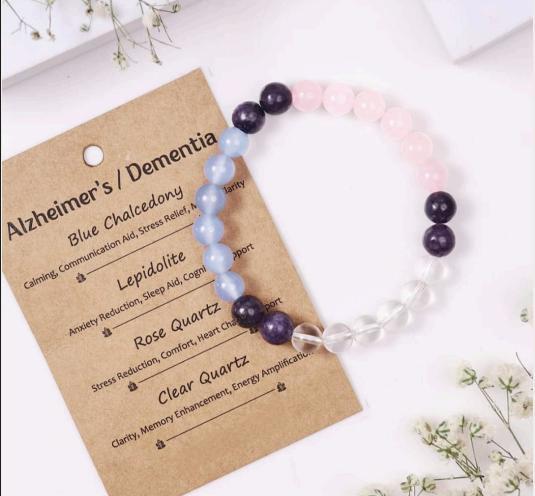
 Alzheimer’s / Dementia B...
 ₹999.00 Original price was: ₹999.00.₹599.00Current price is: ₹599.00.




© 2025 Vedant Sharmaa. All Rights Reserved.
Click to Chat!


Reviews
There are no reviews yet.